
There are two stories about the birth of clinical social work, one told from Hull House and one told from the Black institutions a few miles south. They have almost never been told together. Keeping them apart is how social distortion has lasted so long.
I. Human Repair
What the People Knew Before the Profession Named It
Before there was clinical social work, there was a clear demand. It came from the bodies of people worn down by poverty, by factory work that cost them fingers and lungs, and by a country that made great wealth and handed out the suffering unevenly. It came from children in the tenements, women on the factory floor, immigrant families packed into the blocks around Halsted Street on Chicago's Near West Side, and soldiers coming home from the Marne and the Argonne Forest with shaking hands and eyes that had gone somewhere else.
In the Joy Repair framework, human repair begins with what the body knows before the mind has words for it. The nervous system registers what is really there, directly and right away, and only later does the thinking mind sort it into something a system can file.
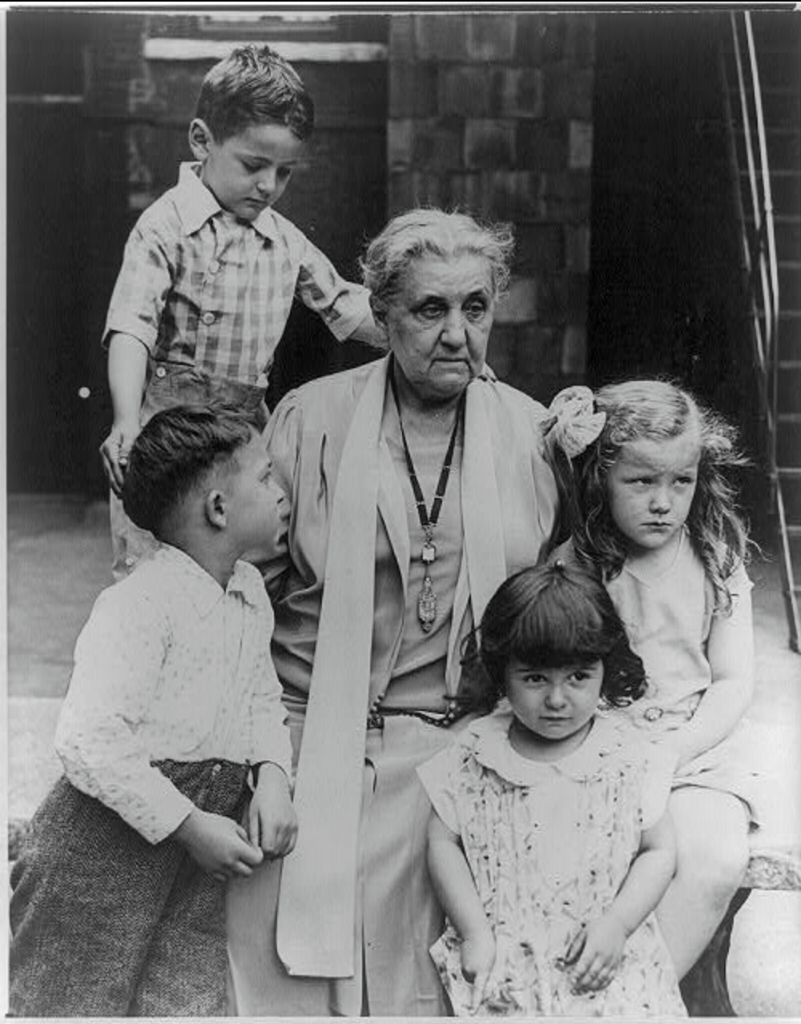
Jane Addams opened Hull House on Halsted Street in 1889 and moved in. She lived among her neighbors because she believed a person had to be close to people to hear them accurately, and the settlement house was built on that closeness.
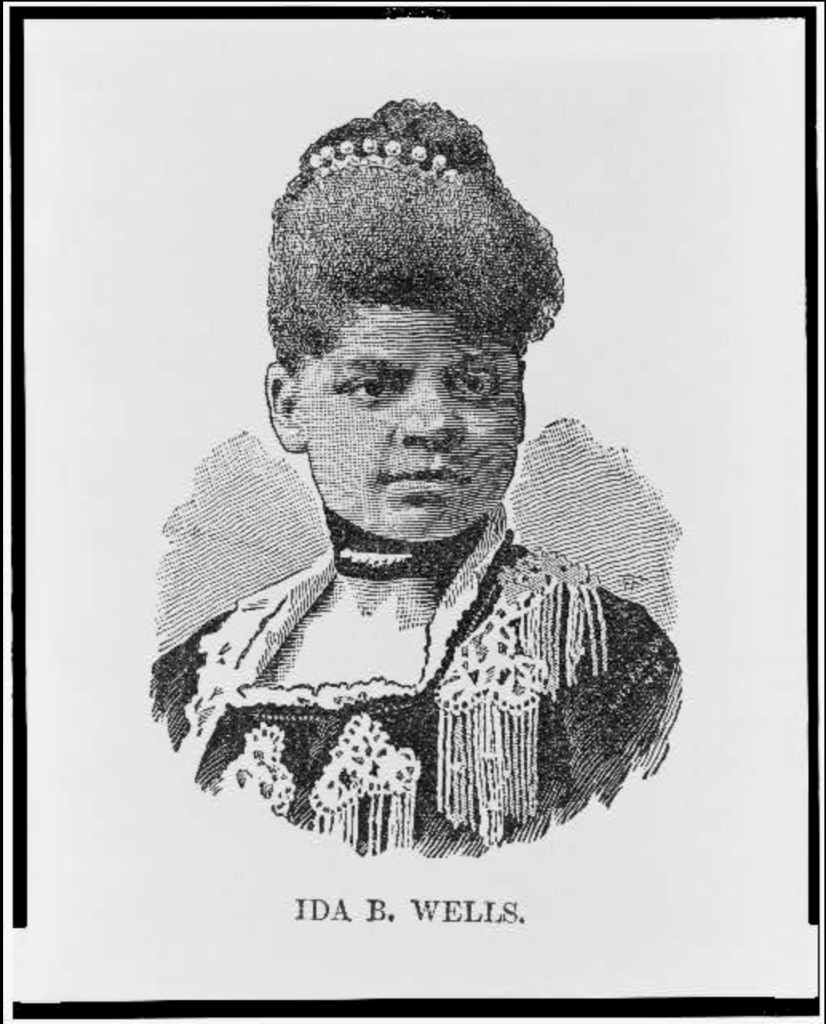
Ida B. Wells-Barnett was doing the same work a few miles south, at a much higher personal cost, from inside the community being harmed. A mob destroyed her newspaper office in Memphis in 1892 after she reported on lynching, and she rebuilt her life and her work in Chicago. In January 1901 Addams published an article against lynching that still allowed that the murdered men might have been guilty, and a few months later Wells-Barnett answered her in the same magazine with the facts. In every year from 1896 to 1900, fewer than four in ten of the Black men lynched had even been charged with the crime the mobs gave as their reason, and by 1900 it was fewer than one in six. In 1910 Wells-Barnett and her husband, Ferdinand Barnett, opened the Negro Fellowship League at 2830 South State Street, a reading room and social center that helped Black men arriving from the South find work and housing.
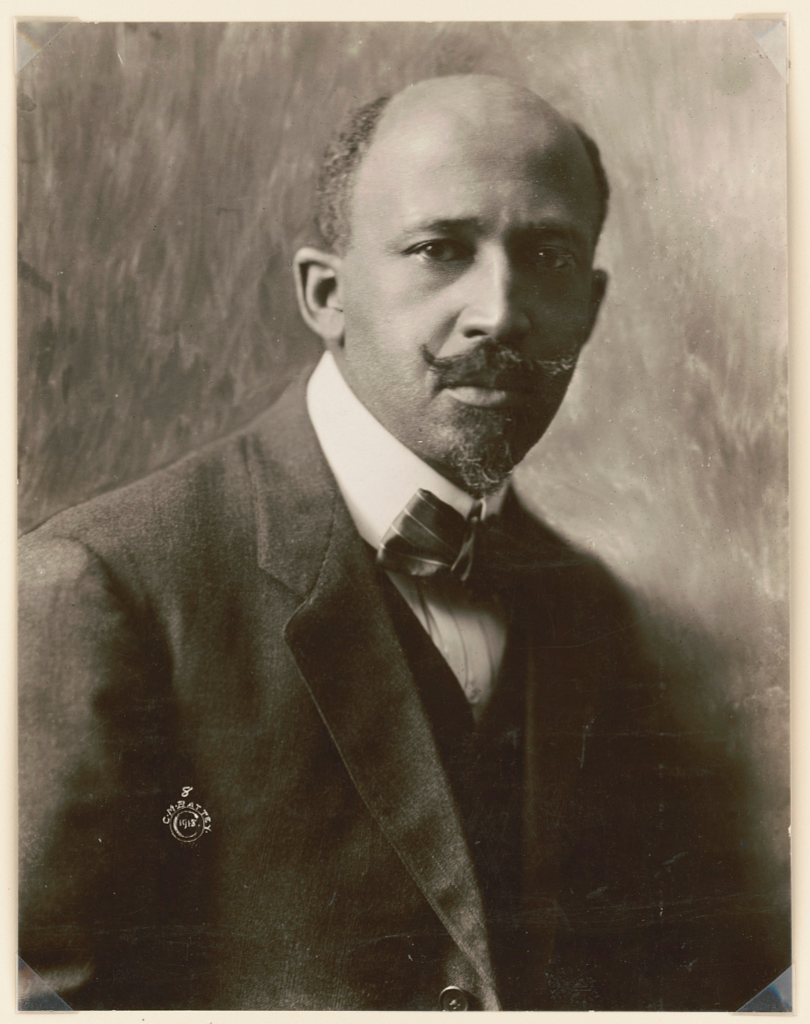
W.E.B. Du Bois went door to door through Philadelphia's Seventh Ward and published The Philadelphia Negro in 1899, a careful count of the health, work, housing, and family life of Black Philadelphians, gathered so that those conditions could be changed.
George Edmund Haynes helped found the group that became the National Urban League in 1910, ran the first training center for Black social workers at Fisk University from that same year, and in 1912 became the first Black American to earn a PhD from Columbia.
Most settlement houses of the Progressive Era were segregated or served very few Black residents, and Hull House served the European immigrants of its neighborhood far more than the Black families of Chicago. Addams helped found the NAACP in 1909 and worked alongside Wells-Barnett, and still the settlement movement she led left Black Chicago largely on its own. So Black communities built their own institutions, and in building them they kept hold of something the mainstream tradition was about to lose.
Wells-Barnett saw, more clearly than most of her white colleagues, that the conditions producing Black suffering came from systems that could be named and taken apart. She could not afford clinical distance, because the danger was too close, too constant, and too deadly. This was macro social work, the practice of changing whole systems, before it had a credential. This was the demand of human repair.
II. Distortion
World War I: How the Demand Got Reorganized
In July 1915, Addams came home from a peace mission to Europe and spoke at Carnegie Hall. She told the crowd she had heard in several countries that soldiers were given liquor or other stimulants before bayonet charges, because so many young men could not bring themselves to kill up close. The newspapers tore her apart, and she went from one of the most admired women in America to one of the most attacked. She had read the soldiers correctly. Their bodies were refusing what was being asked of them, and the shaking hands of shell shock were the same refusal arriving later. After Carnegie Hall, though, her reading was politically unusable.
The profession turned toward a different reading. In 1918 Smith College opened a school to prepare social workers to serve shell-shocked veterans coming home from the war. The men's breakdowns became cases, each one a disorder inside one man, to be treated one man at a time.
In Joy Repair, distortion is what happens when a demand for repair enters a system that can only hold certain shapes. It happens honestly, without anyone lying. The medical model was built to read one sick body, and it had no place to put a demand about the conditions that made the body sick.
Social work had already started moving into hospitals. In 1905, Dr. Richard Cabot hired Garnet Pelton as one of the first hospital social workers in the country, at Massachusetts General Hospital in Boston. Nobody ever voted to drop structural analysis. The profession made a long series of small choices that added up to that result. To work in a hospital, a social worker spoke the hospital's language. To get paid, she needed a condition with a name. To sit at the treatment team table, she brought findings the team could use, an individual assessment, an individual history, and an individual plan.
Mary Richmond published Social Diagnosis in 1917, and it gave careful method to a field that had run mostly on moral instinct. Its design tells its own story. The worker gathers evidence, forms a diagnosis, and prescribes a treatment, and the neighborhood, the factory, and the landlord all show up as background to one person's case.
Through the 1920s, Freud's ideas poured into the leading American social work schools, and historians later named that decade the "psychiatric deluge," though some argue the flood reached the schools and journals more than everyday casework. The source of suffering moved out of the social order and into the private mind. Trauma became what your unconscious did with what the system did to you. By the 1950s, clinical social work was simply what social work meant, and the distortion had become the profession's identity.
The Pattern: DARVO
The psychologist Jennifer Freyd named DARVO in 1997, short for Deny, Attack, and Reverse Victim and Offender. She was describing how people who cause harm respond when someone confronts them. Institutions do it too. Addams told the truth about the war and was attacked until she became the problem, and social work has handled its own critics the same way, like every system that needed to quiet the people who named it.
III. Cost
What the Profession Paid? Human Life.
Families in the same neighborhoods cycle through crisis systems for generations. The demand keeps arriving, saying the system is producing this, and the clinical framework keeps sorting it into a smaller message: that this one person needs help managing the system better. The framework has no sentence for what most needs saying, which is that the web is doing this. In Joy Repair, the web is the whole set of institutions, rules, and money flows that hold a neighborhood in place, and treating one person at a time while the web stays the same keeps the machine running and calls it care.
Black communities, which the mainstream profession never fully served, kept cycling through those same systems with racism built into every layer. The parallel tradition had known this all along. It had been saying so through structural analysis, mutual aid, community organizing, and careful counting since before clinical social work had a name.
Social workers carry the distortion in their own bodies. Burnout, compassion fatigue, and low pay for some of the most emotionally demanding work in health care are the same demand, the profession's own nervous system registering the gap between what the work requires and what the system allows it to do.
IV. Repair
What Repair Might Ask of the Profession Now
In Joy Repair, repair means bringing things back into line: the body's demand with language, language with structure, and structure with the futures it makes.
For social work, repair starts with taking back the parallel tradition and putting it at the center of what the profession knows. Wells-Barnett was doing social work. Du Bois was doing social work. Haynes was doing social work. The macro practice that the medical model pushed aside stayed alive in the communities the mainstream profession left behind and in the scholars those communities raised.
Repair also asks the profession to listen honestly to its own body. Burnout is data, and so is low pay. The high rates of secondary trauma among clinical workers, the harm that comes from carrying other people's pain day after day, are data too, and they point to a system that needs structural repair far more than to workers who need better self-care.
Meta-Macro Social Work offers a way to do that reading. It keeps clinical skill and adds a wider lens, one that can hold what the clinical framework cannot: the slow, layered ways systems produce the suffering that social work is then asked to manage one person at a time.
The web is doing this.
Repair begins by saying so out loud.
Sources
- Addams, Jane. "Respect for Law." The Independent, January 3, 1901.
- Addams, Jane. Peace and Bread in Time of War. New York: Macmillan, 1922.
- Cabot, Richard C. Social Service and the Art of Healing. New York: Moffat, Yard, 1909.
- Carlton-LaNey, Iris. "George and Birdye Haynes' Legacy to Community Practice." In African American Leadership: An Empowerment Tradition in Social Welfare History. Washington, DC: NASW Press, 2001.
- Du Bois, W.E.B. The Philadelphia Negro: A Social Study. Philadelphia: University of Pennsylvania, 1899.
- Freyd, Jennifer J. "Violations of Power, Adaptive Blindness, and Betrayal Trauma Theory." Feminism & Psychology 7, no. 1 (1997): 22–32.
- Richmond, Mary E. Social Diagnosis. New York: Russell Sage Foundation, 1917.
- Smith College School for Social Work. "Founded to Serve Veterans, School for Social Work Embraces Role." Smith College News Office.
- Wells-Barnett, Ida B. "Lynching and the Excuse for It." The Independent, May 16, 1901.
- Wells-Barnett, Ida B. Crusade for Justice: The Autobiography of Ida B. Wells. Edited by Alfreda M. Duster. Chicago: University of Chicago Press, 1970.