Joy Repair · Liberation Economics
Abolish
Philanthropy
And the plain, scientific reasons why it is urgent.
Marc McAleavey, MSW
There is a difference between generosity and philanthropy, and the entire argument turns on it. Generosity is a behavior the species evolved over two million years to perform reflexively, at cost to itself, for non kin, because the lines that did it outlived the lines that did not. Philanthropy is a legal and financial structure, roughly a century and a half old in its modern form, that captures generosity, strips it of reciprocity, launders it through a tax instrument, and returns it to the giver as power and to the receiver as supervision.
Generosity is the substrate. Philanthropy is the parasite that learned to wear the substrate's face. You abolish the parasite and you do not touch the host.
Porch Plates · Fourteen Field Documents
The porch, the theft, and what remains
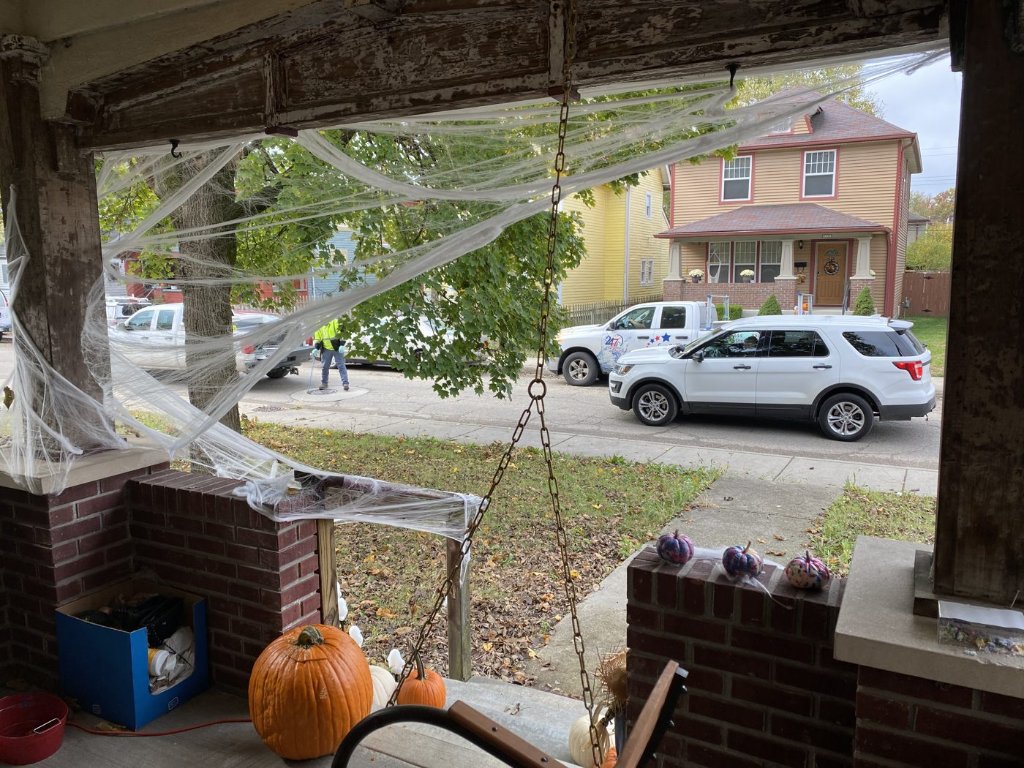
The porch is not a concept. It is the neighborhood's open face.
Fourteen plates. One block. Twenty-five years.
Paul said love is patient and love is kind, and he was right, and what he did not say is that he was describing a party. Not the kind you schedule. The kind you are born into and spend a life learning to deserve.
If I were to join the party of public love, I would join because kindness lost in the last election. We saw it coming and did not want to believe it. Love is kind, and kindness lost, and I am not willing to call the result the will of a loving people.

I would join because I do not let anyone treat my grandpa without kindness. A country is only a block, and a block is only a grandpa, scaled up until we forget his face. He worked at a lathe and kept his life at the Deaf Club and gave the good thing away for free.
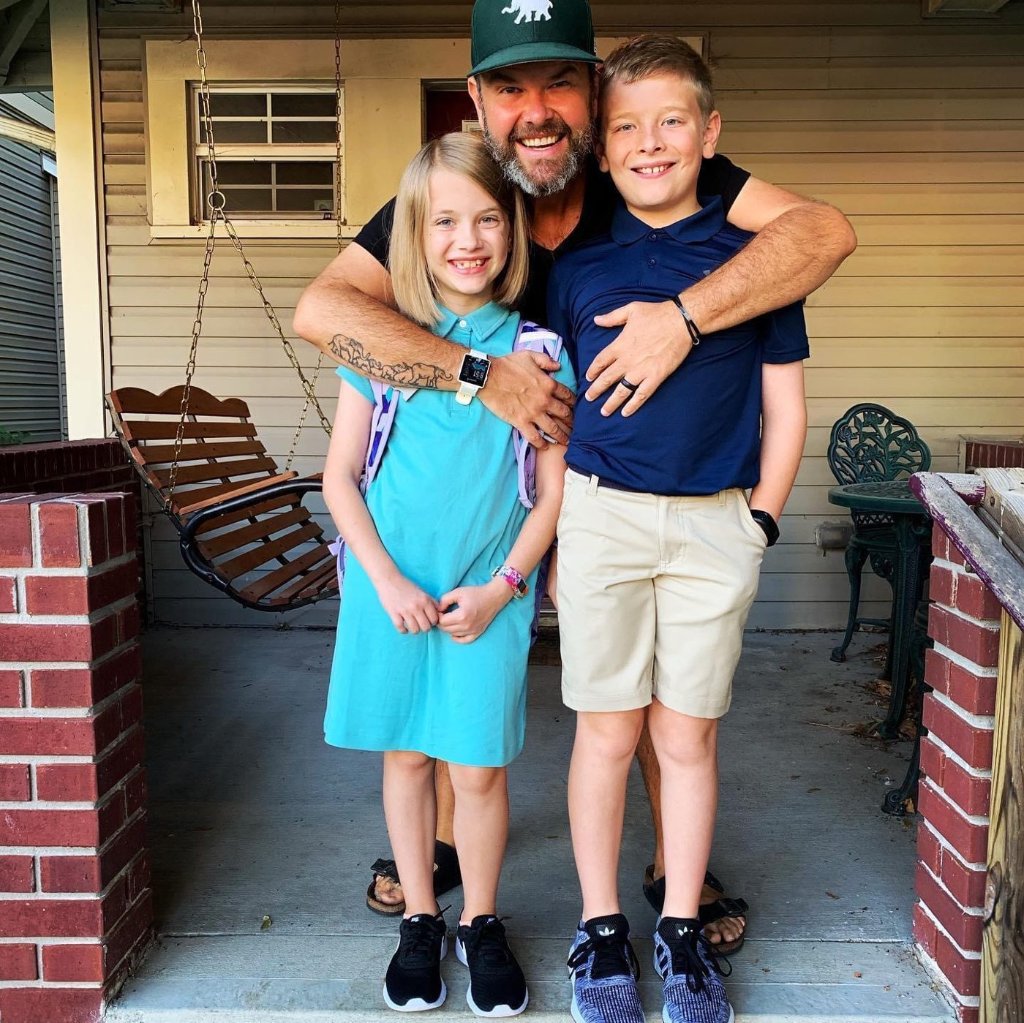
I would join because love can wait for an eternity, and will, if you let it. Love is patient. It is so patient that we have abused its patience for two hundred fifty years. I do not want it to wait any longer.
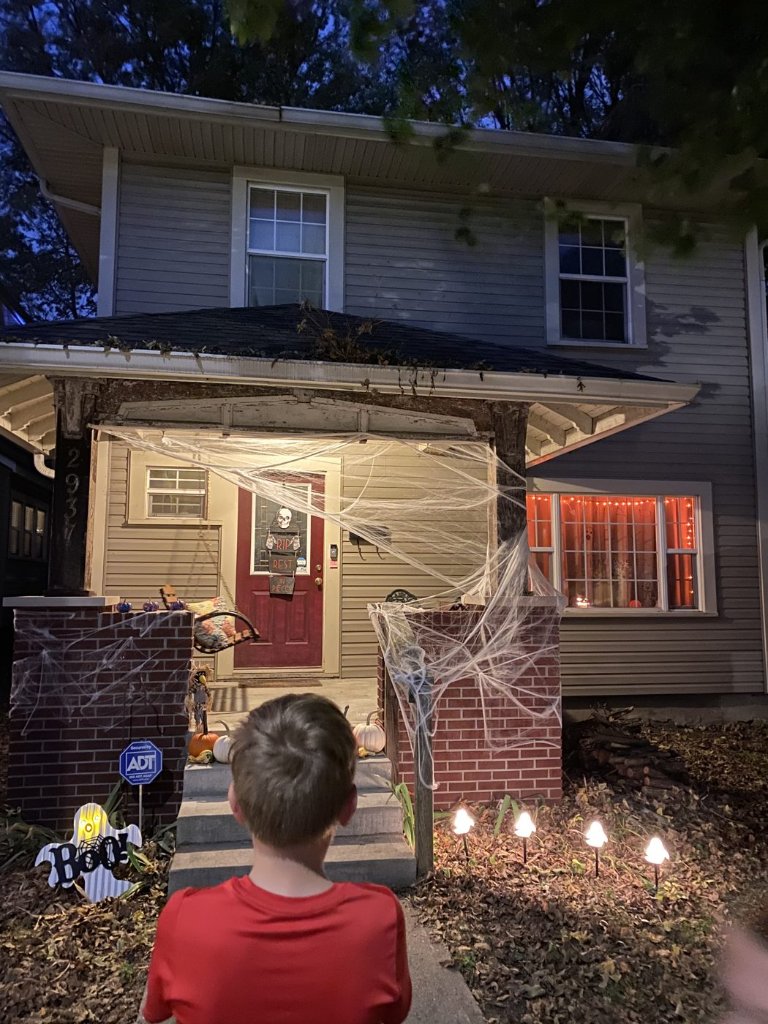
I would join because I would point out how magnificent everyone is. Love does not envy, and envy is only magnificence that was never told the truth about itself. I would tell everyone the truth about themselves until there was nothing left to envy.
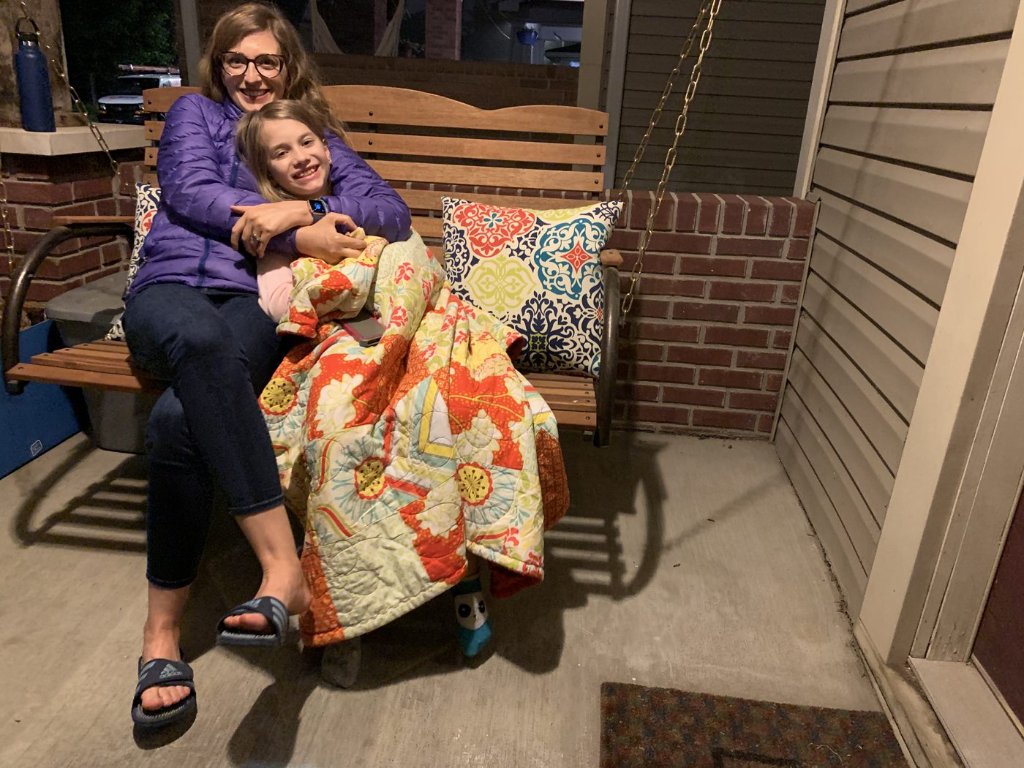
I would join because love does not boast and is not proud, and every closed door is a boast, and every form that made you prove you were worthy of help was a quiet way of making you small, and I am done being made small.
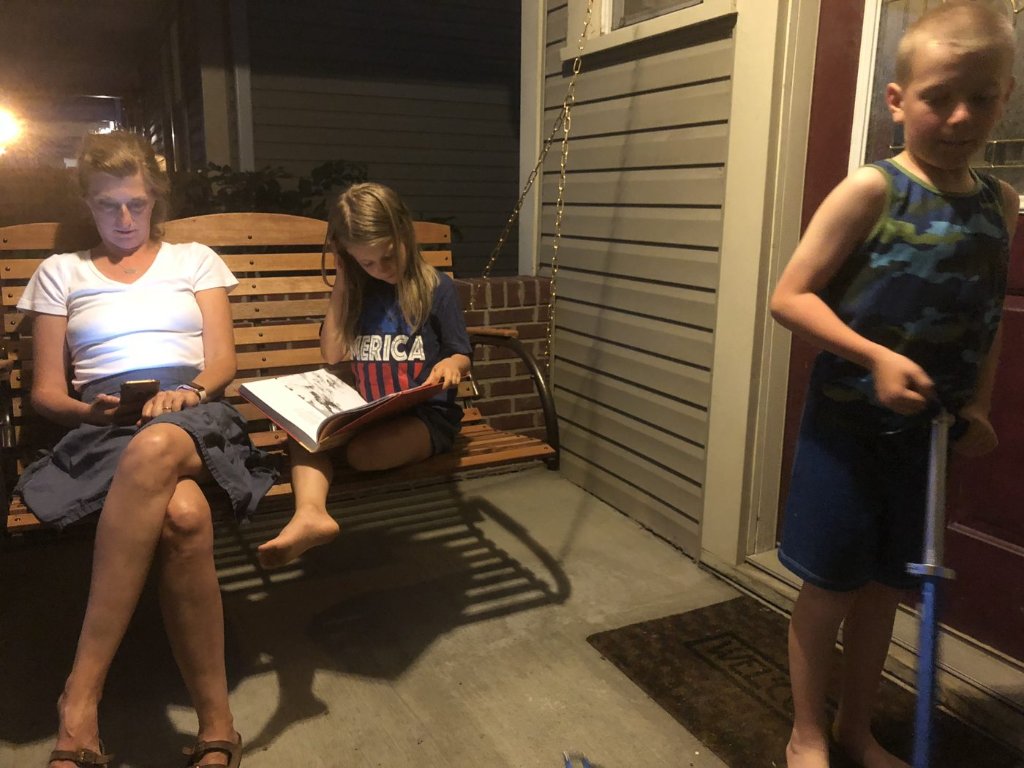
I would join because love keeps no record of wrongs, while the institution keeps an archive it is afraid to have read. Love does not need a finding aid. Love does not fear the reader. Love was made to be read.
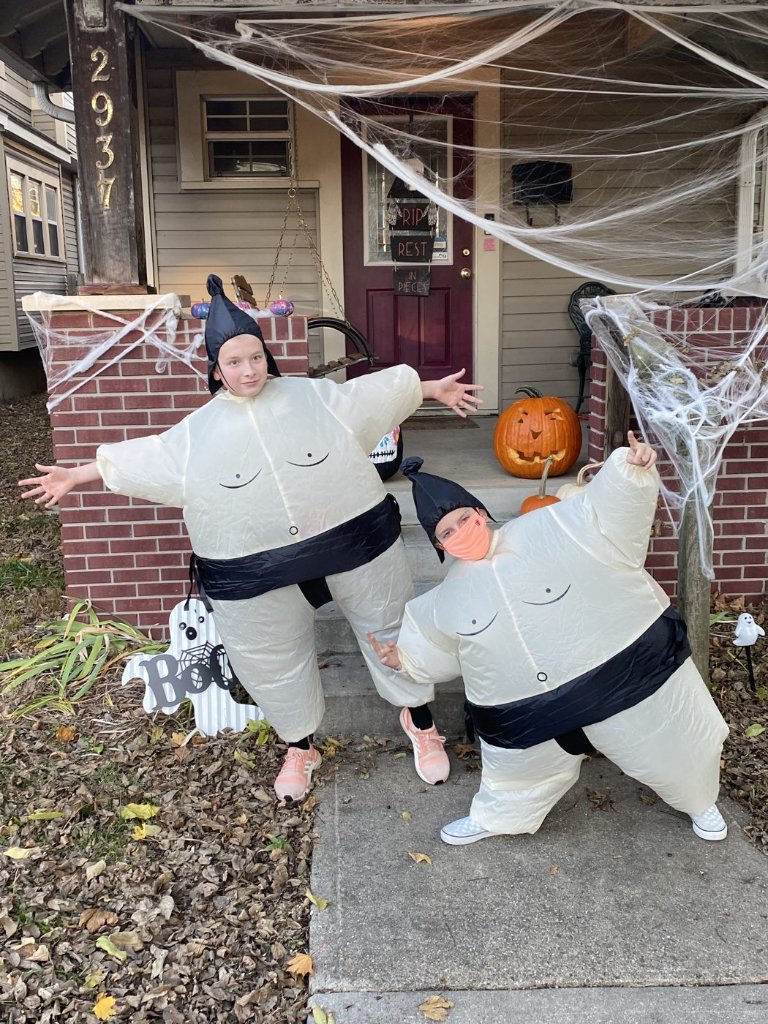
I would join because the gift was meant to move in a circle, and I am tired of watching it stop at the people who already have enough. Care was never scarce, only the permission was, and nobody should have to earn the thing they were born deserving.
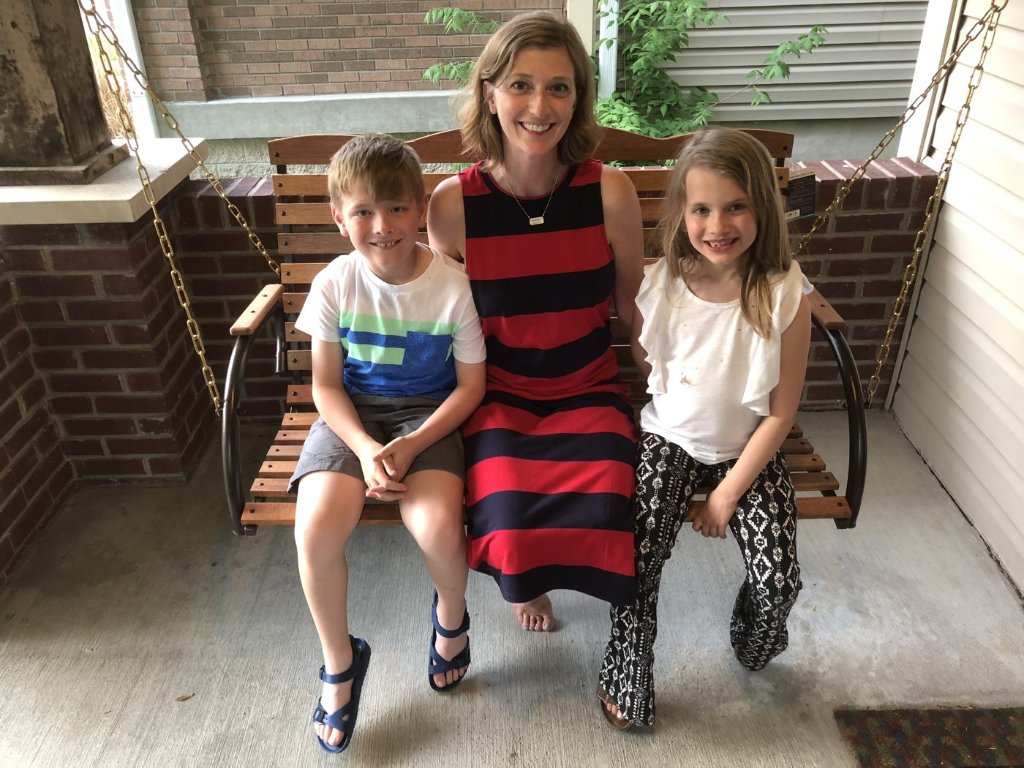
Philanthropy is the partial thing. It is the love of the human seen through a glass darkly, turned into something you have to apply for, qualify for, prove you deserve. Civility is the childish thing, the manners we put on so we would not have to do the harder work of kindness.
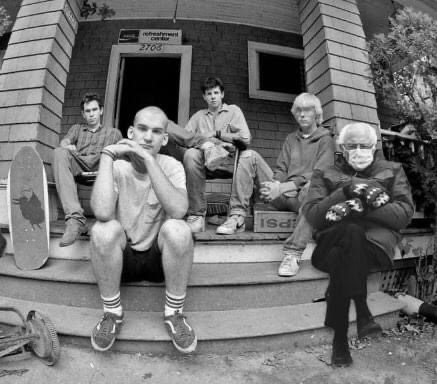
When the real thing comes, the partial is put away. Not in anger. Because the full thing arrived and the substitute is no longer needed. We put away the application and the proof and the waiting with a kind of tenderness for who we were when we needed it, and no intention of picking it up again.
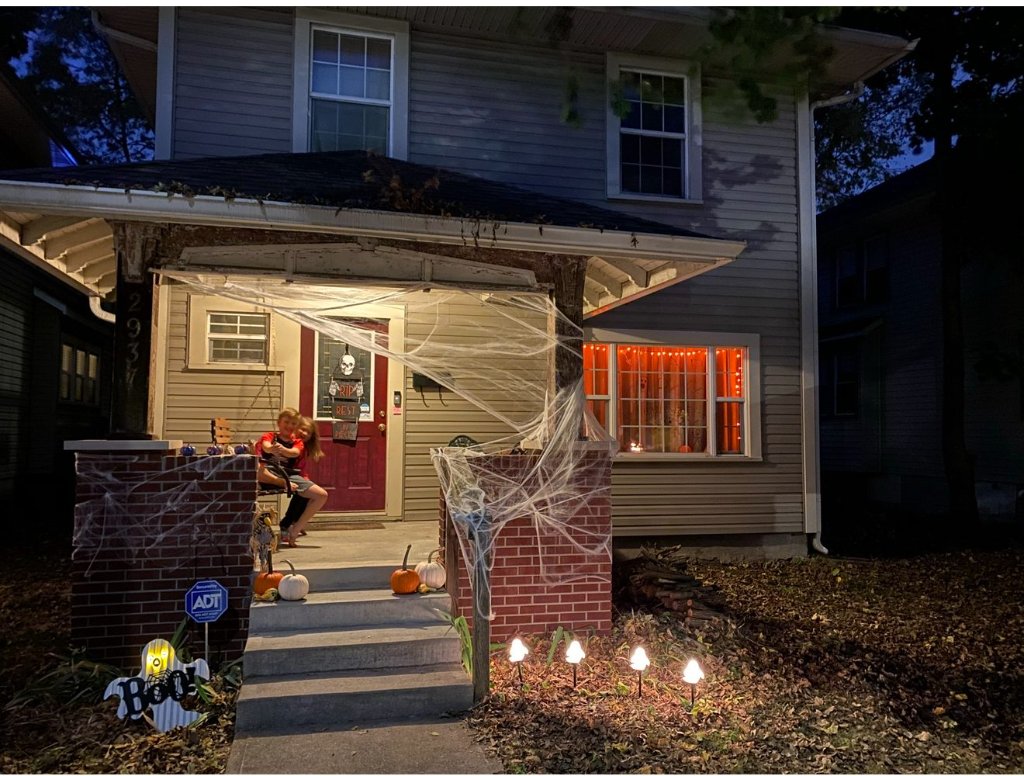
And now these three remain: the porch, the gift, and the neighbor. The open face of the house. The thing that moves in a circle. The person in range of you. And the greatest of these is the neighbor, because the porch is only wood and the gift is only motion until there is a particular face across the table in the warm evening.
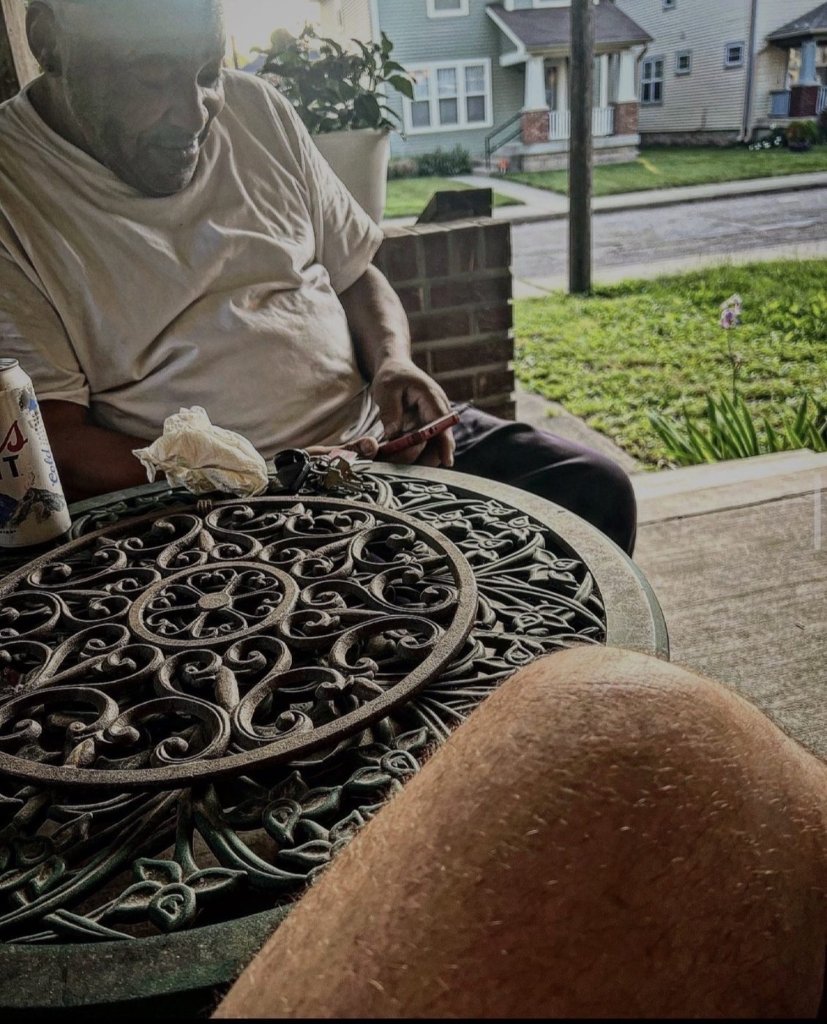
The neighbor is Tony, across the table, one of three households left on our block who were here the whole time. My knee, his can, the warm evening. Nobody planned it. That photograph is the whole platform. The party of public love has one plank and it is a porch.
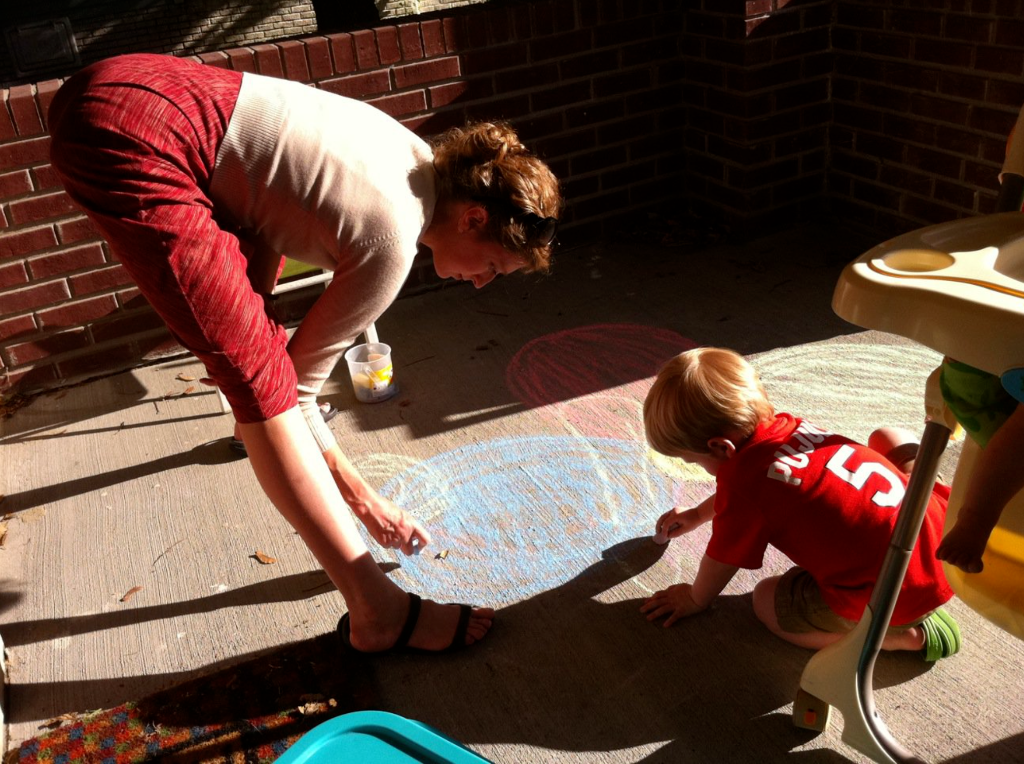
I am done being civil to the gate and ready to be kind to the neighbor. I am not listening to the pioneers, who told the story of what was claimed. I am listening to my ancestors, who gathered because gathering was the only wealth they had, and they are telling me to set out more chairs.
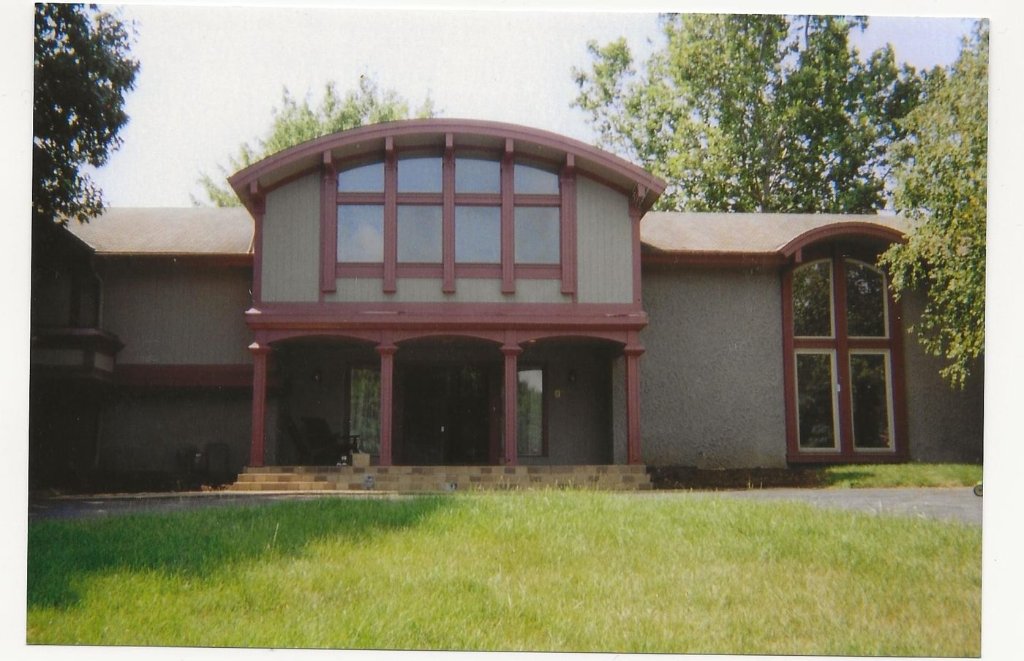
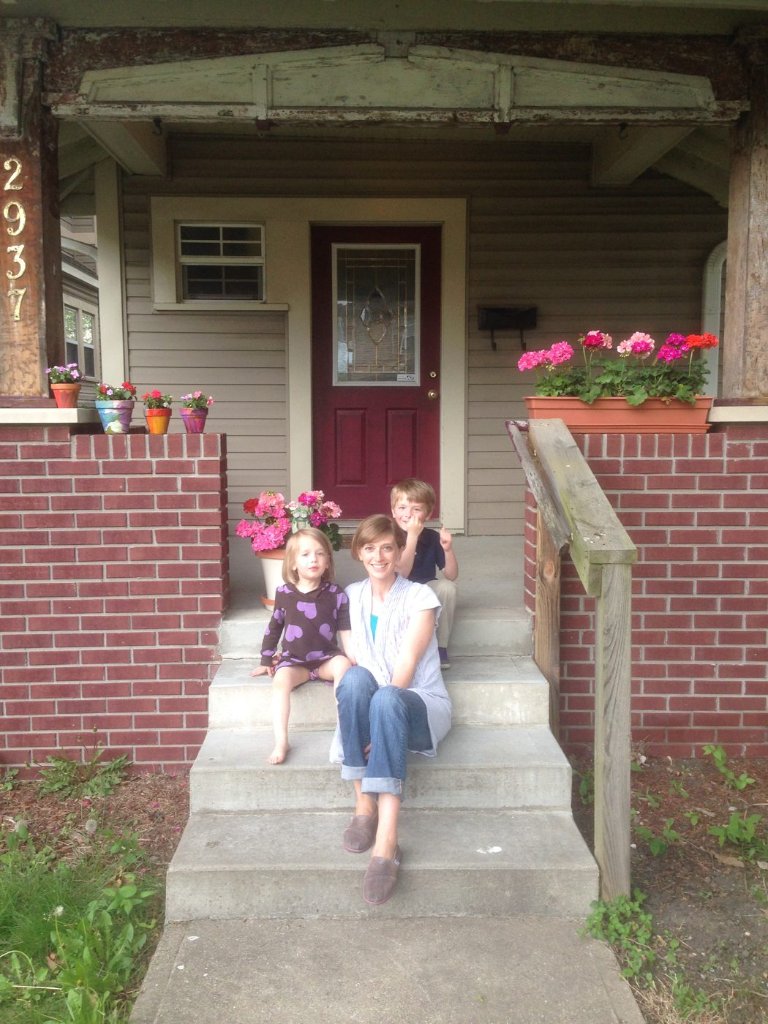
So someone has to say it plainly, and I will. I love you. I loved you before you did anything. There is nothing you can do to earn it and nothing you can do to lose it, and a country built on that would be a country worth its birthday. I am starting it. The chairs are out. The porch is warm. Come sit. The Tuchman/McAleavey House — designed by famous Indianapolis architect Avriel Shull.
I. The Substrate
Care is not scarce. It is the default state of the species, and it is expensive to suppress. Sarah Hrdy's work on cooperative breeding establishes that Homo sapiens is an alloparental species, which means human infants survive only because adults who are not the biological parents invest in them. We are built, in the precise biological sense, to provision other people's children. Michael Tomasello and Felix Warneken showed that human toddlers around fourteen months of age, before socialization, before religion, before any institution, will spontaneously help a stranger with no reward and no instruction, and that introducing a material reward reduces the helping rather than increasing it. The instinct is not taught into us. It is paid out of us.
Christopher Boehm's reverse dominance work shows that for most of human existence, in immediate return forager bands, the group actively prevented any individual from accumulating enough surplus to dominate the others, so that hoarding was a punishable offense. David Graeber and David Wengrow dismantle the convenient story that hierarchy and charity arrived together as the unavoidable price of civilization, since the archaeological record holds societies that scaled into the thousands while keeping the gift in motion and refusing the permanent patron.
The helping instinct is not taught. It is suppressed, and reward is the thing that suppresses it.
II. The Capture
Marcel Mauss established the mechanism that makes the rest of this exact rather than merely indignant. A true gift creates a bond precisely because it obligates a return, so the gift moves in a circle and the circle is the relationship itself. The danger Mauss named is specific: a gift that cannot be reciprocated does not create a bond, it creates rank, because the unreturnable gift places the receiver permanently beneath the giver.
Philanthropy is engineered to be unreturnable, and that is its defining feature rather than an accident of its scale. The foundation gives, the grantee receives, the grantee cannot give back, may not give back, is in fact contractually forbidden from giving back anything other than compliance, reporting, and gratitude. The circle is cut and what remains is pure rank wearing the face of kindness.
A gift that cannot be returned does not build a bond. It builds a rank.
THE UNRETURNABLE GIFT
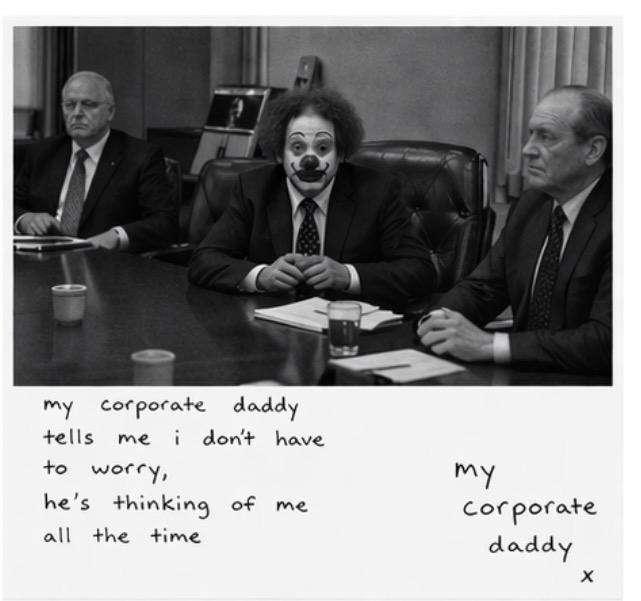
The gift travels one direction. The obligation travels in the same direction. The circle is already cut.
III. The Mask
Ivan Illich gave us conviviality, the condition in which people wield their own tools and conduct their own relations under their own power, autonomous and reciprocal, the circle kept intact. Generosity is what flows through a convivial relation, a gift that costs the giver and can be returned, which is why it builds a bond.
Philanthropy is to generosity what civility is to conviviality. The right hand of each pair exists to manage the left. Civility steps in precisely so that nothing has to be repaired. Philanthropy gives precisely so that nothing has to be redistributed.
You cannot make a control technology into a care technology by being nicer with it, because the niceness is the control.
IV. The Wound
Illich's iatrogenesis names the harm caused by the cure itself — the help that disables the helped. He extended it to the disabling professions, the occupations that thrive by first defining a human capacity as a deficiency and then claiming the exclusive authority to repair the deficiency they themselves named.
A neighborhood feeds itself, watches its own children, settles its own disputes. A professional arrives and renames each capacity, so feeding becomes food insecurity, watching becomes a childcare gap, and every rename converts a competence into a need while creating a salaried position for the person who performed the renaming. John McKnight measured this across a career: a place that has learned to see itself as deficient stops acting and starts waiting.
A neighborhood that has been thoroughly helped is a neighborhood that has forgotten it was ever competent, and a forgotten competence is a permanent customer.
THE NAMED DEFICIENCY
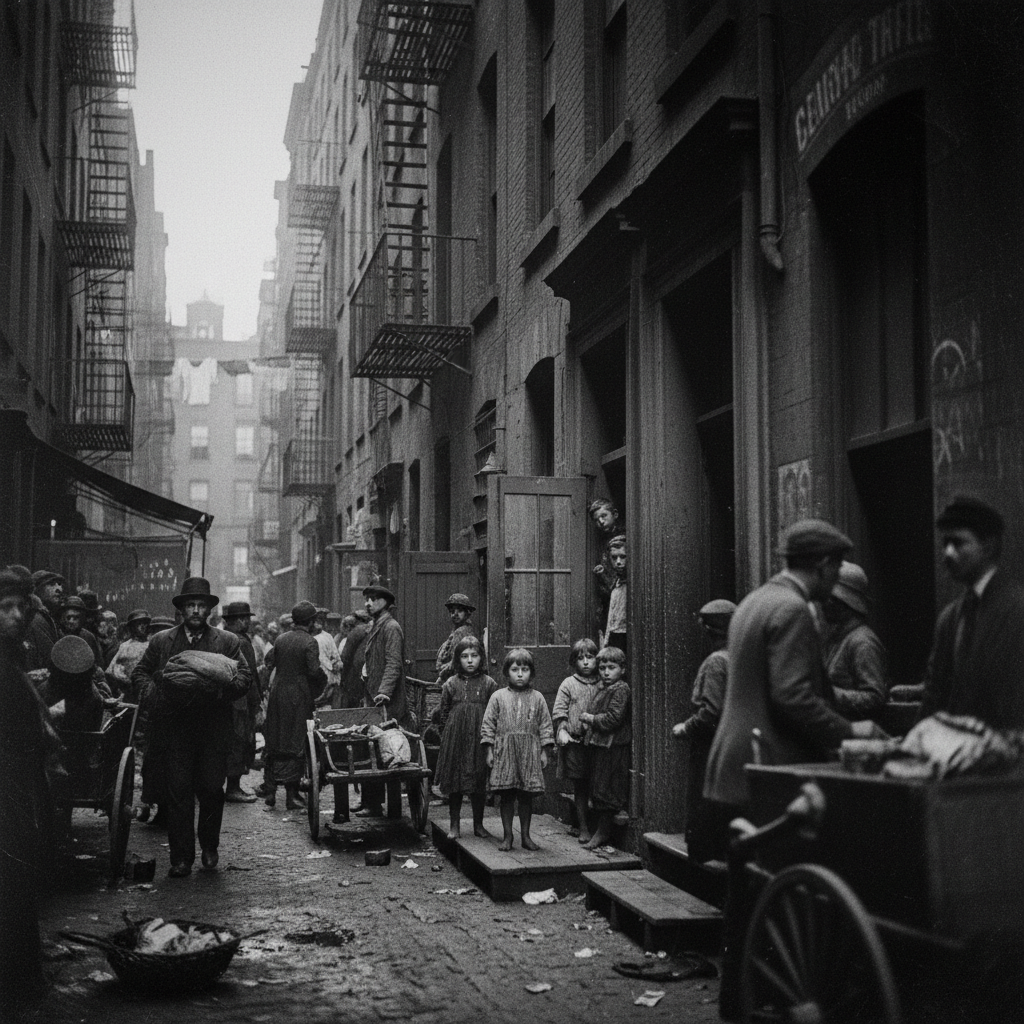
V. The Laundry
The modern private foundation is a creature of United States tax law. When a donor contributes appreciated publicly traded securities, the donor deducts their full fair market value and avoids the capital gains tax entirely. Inside the foundation, net investment income is taxed at a flat 1.39 percent (IRC section 4940). And the foundation is required to pay out only about five percent of its non charitable assets each year, a floor that legally counts salaries, travel, and overhead (IRC section 4942).
A foundation can hold the great majority of its money invested in the same extractive enterprises that produced the fortune, distribute the legal minimum, count its own overhead inside that minimum, and still watch the endowment grow. The wealth never leaves the donor's control. It merely changes its name, from income, which is taxed and accountable, to endowment, which is neither.
Generosity gives a thing away and loses control of it. Philanthropy keeps the control, keeps the upside, keeps the name on the building, and writes off the cost of keeping it.
VI. The Function
Karl Polanyi described how a market society, having torn the social fabric to extract profit, generates a counter movement by which society tries to protect itself from the damage. Philanthropy is the captured and defanged version of that counter movement, because it absorbs the protective impulse and routes it into channels that never once threaten the source of the suffering.
Hunger has a cause, that people lack money because wages are low and rents are high, and it has a beneficiary, whoever profits from the low wages and high rents. The philanthropic response is the food bank, which feeds the hungry person tonight without ever naming or confronting the person whose model requires her to stay that way.
The food bank is not a step toward justice. It is the thing installed in the place where justice would otherwise go.
THE ABSORBED COUNTER-MOVEMENT
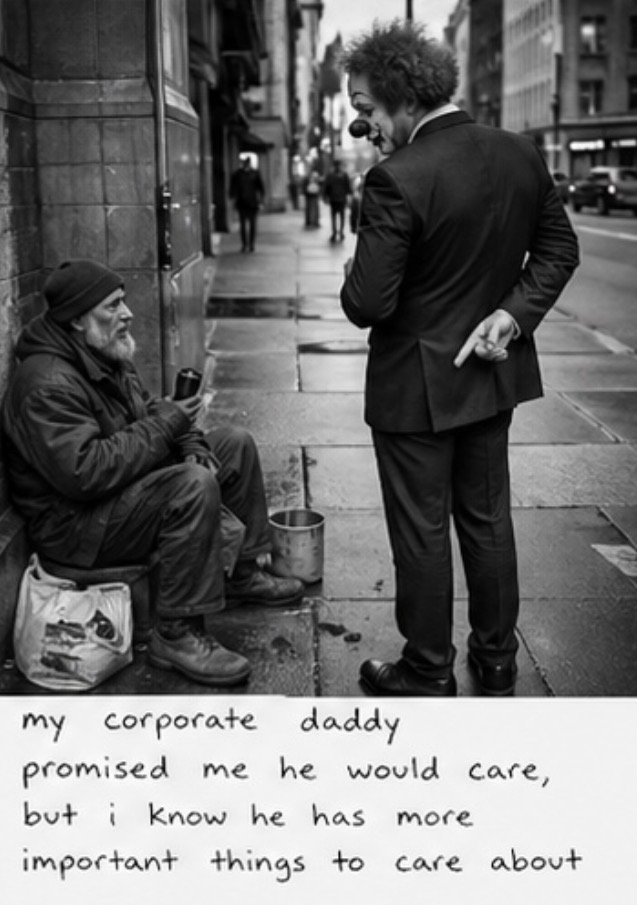
The food bank is not a step toward justice. It is installed in the place where justice would otherwise go.
VII. The Charge
Philanthropy as an institutional form does four measurable things:
One. It removes reciprocity, converting bond into hierarchy. Trace the direction of obligation, gratitude, and reporting in any grant relationship. It runs only one way, upward to the funder.
Two. It manufactures dependency by professionalizing competence. Name one program at scale that has shrunk because it succeeded.
Three. It preserves rather than redistributes wealth. Compare the payout rate to the asset growth rate on the public Form 990 PF.
Four. It depoliticizes injustice, converting citizens into clients. If it never names who profits, it is performing the depoliticizing function.
Four mechanisms, four tests, all falsifiable, none falsified.
THE LAUNDRY IN PORTRAITS

The name on the building. The debt forgiven. The upside kept.
VIII. Abolition
Abolition is not the end of giving. It is the end of the capture of giving. It means returning generosity to the form the species evolved to run, reciprocal, horizontal, relational, moving in a circle, between people who can each give and each receive, where the gift builds a bond instead of buying a rank.
Concretely it means taxing fortunes rather than laundering them, so that the public decides through democratic means how its own forgone billions are spent. It means funding capacity rather than need, the asset rather than the deficiency, so that competence is restored rather than monopolized.
The species already knows how to do this. It did it for two million years, and it does it still, every time a neighbor watches a child or a stranger picks up what you dropped, for no reward, against their own interest, because that is simply what we are.
Abolish the structure. Free the instinct. The care was never scarce. Only the permission was.
Sources
Hrdy, Mothers and Others (2009). Warneken and Tomasello, Science (2006) and Infancy (2008). Boehm, Hierarchy in the Forest (1999). Graeber and Wengrow, The Dawn of Everything (2021). Mauss, The Gift (1925). Illich, Medical Nemesis (1976) and Disabling Professions (1977); Tools for Conviviality (1973). McKnight, The Careless Society (1995). Polanyi, The Great Transformation (1944). IRC sections 4940 and 4942. Ray D. Madoff, "The Five Percent Fig Leaf," Pittsburgh Tax Review (2020).